La Dolce Vita: Myth vs. Reality — The Truth About Daily Life, Work Culture, and Relaxation in Italy
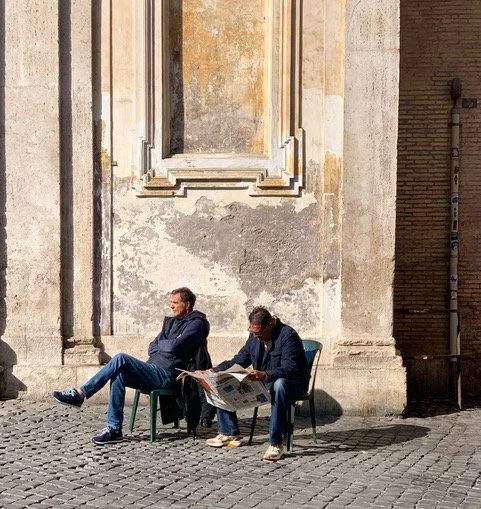
A few things might come to mind when Italy-obsessed visitors think of the Boot-shaped peninsula: pasta and pizza, endless cones of gelato, magnificent coastlines and mountainous peaks, long, slow lunches, effortless style, and a “slow” life many from abroad admire. For decades, the notion of “la dolce vita,” meaning “the sweet life,” has taken the world by storm, first thanks to the 1960 film by Federico Fellini, titled La Dolce Vita, which, in summary, romanticized Rome and Roman life, depicting the city streets as an open-air life museum of glamour, romance, indulgence, lust, and a luscious life.
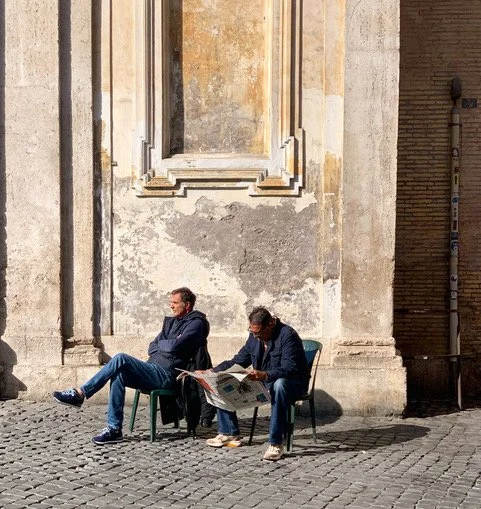
Today, if we aren’t finding the #ladolcevita hashtag on Instagram alone, which amounts to more than 1.8 million posts, our feeds are filled with relatives and acquaintances vacationing in Italy, sipping orangey-spritzes in the sun-drenched piazza, and boats to, from, and along the Amalfi Coast. Now again on screen as Netflix’s hit sensation Emily in Paris season 5 traded Paris for Rome and Italy, it once again depicts a fairy-tale like pipe dream that all of us who love Italy have fantasies about from time to time.
But, for those who live and work in Italy, the truth behind this idea of la dolce vita is not always what one-trip visitors and life-long Italy-obsessed travelers have in mind. There is no doubt that Italy is home to incredible people, a decadent, diverse country-wide cuisine, and a terrain that offers everything: 7,000km of coastline, history, ruins, and the Renaissance. Yet what a picture-perfect TikTok video won’t always reveal is the daily reality millions of citizens and residents face, including modest salaries, increasingly demanding work schedules, economic challenges, and a further-fading idea of “balance.” To understand Italy in all its facets, beyond the myth, let’s take a look at what la dolce vita really means and how this life-long sweetness and struggle often coexist in day-to-day life.
The Sluggish Salary
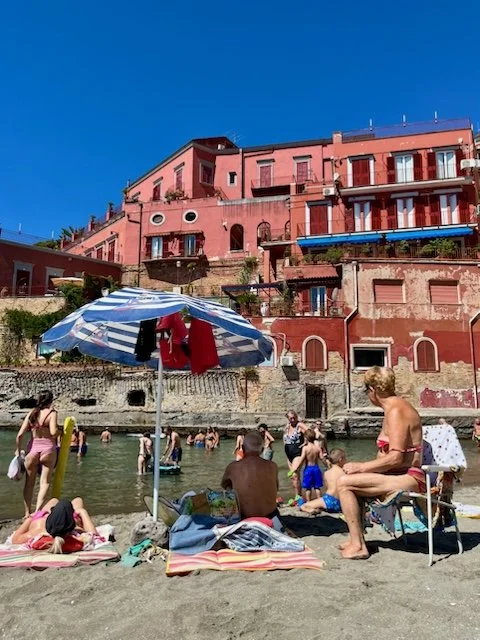
Italy is notoriously known for a wobbly job market, low pay, and a lack of job contracts, forcing many younger Italians to pack up and find a life elsewhere. Italy’s data agency, ISTAT, reported that a quarter of the Italian population, nearly 23%, were at risk of poverty or social exclusion at the end of 2024. Italy has had stagnant wages for decades, especially for young professionals, creating zero opportunities for growth, pay raises, and working bonuses. Entry-level salaries range from €1,200 to €1,600 per month. While some cities like Milan and Rome may offer slightly higher salaries, the cost of living and rental markets in these bigger cities have led Italians to pay up to 75% of their salaries in rent. To paint the picture, the average net earnings for a nurse are €1,500, a public school teacher €1,400–€1,600, and an engineer ~€1,950. Many in the service industries work under the table, without contract protection, and can expect fewer benefits and greater instability.
Work Culture: The Not-So Reality of Endless Lunch Breaks
Shops across Italy, from small towns down south to bustling cities like Rome and Milan, may close for lunch from 1:30 to 4:30 pm, but most workers do not. Many sectors do not follow this tradition. For example, service industry workers, office employees, bankers, and staff at large retail chains typically have a short break before returning to their desks or shifts, resembling the traditional “9-5” or more like 8:30 to 6:00 pm. Many lunch breaks, 45 minutes to an hour, are sometimes spent on miscellaneous errands, like going to the post office, which is often closed by 1:00 pm in many parts of Italy.
Bureaucracy: The Hidden Frustration
A classic reality of everyday Italian life is the famous word we hear even as visitors: bureaucracy. Yes, it is true. Many things in Italy do not work, and if they do, it takes the second or third time around to get things moving smoothly. Paperwork for permits, taxes, and residency can be extremely slow, complex, and unreliable. Small, one of the administrative tasks that seems simple, requires multiple stops, offices, and appointments to do something that should take 15 minutes. There is beauty in the hiccups of these stories, but living them day to day comes with tiredness and, quite frankly, a lot of delusion and frustration.
Demographic Reality: The Falling Birth Rate
Financial insecurity and housing costs make family planning nearly impossible. As we discussed previously, the birth rate hasn’t risen in nearly 16 years. Italy and Italians absolutely love children in everyday settings, but the idea of having a child and raising them in Italy poses its own challenges. Day cares are increasingly difficult to get into, maternity leave for the mother and father is short-term, and the idea that the family unit will raise the young children is a very long-lost pipe dream for many Italians who no longer live close to family after moving to big cities to try and earn a decent living.
Childcare and school schedules add another layer of complexity.
Many schools close for the day at around 1–2 pm, and daycare or after-school programs close by 4:30 on the dot. The cultural norms of school life clearly do not align with working hours, forcing parents with full-time jobs to really rely on extended family and private help to make day-to-day life run somewhat smoothly. It is worth adding that Italy is one of the countries with the longest summer breaks in the world, with very few summer care solutions.
Where La Dolce Vita Actually Exists
Aside from some harsh realities of Italian day-to-day life, at the end of the day, there are so many moments that we Italians may take for granted that could be part of this whole la dolce vita thing after all. There are small, everyday intentional moments ingrained in Italian culture—a quick 5 minute espresso at the bar to catch up with a colleague, the after-work aperitivo culture even during the most hectic days to take a minute and take a breath. Many Sundays remain sacred for family lunches, with multiple courses at home or an outing to a favorite local trattoria to celebrate the “day of rest.” In cities like Rome, Florence, Verona, and Naples, there is beauty just around every corner—art, churches, picturesque fountains and villas, and residents who see that beauty as part of everyday life, even in the most nuanced ways.
Written by Gabriela R Proietti